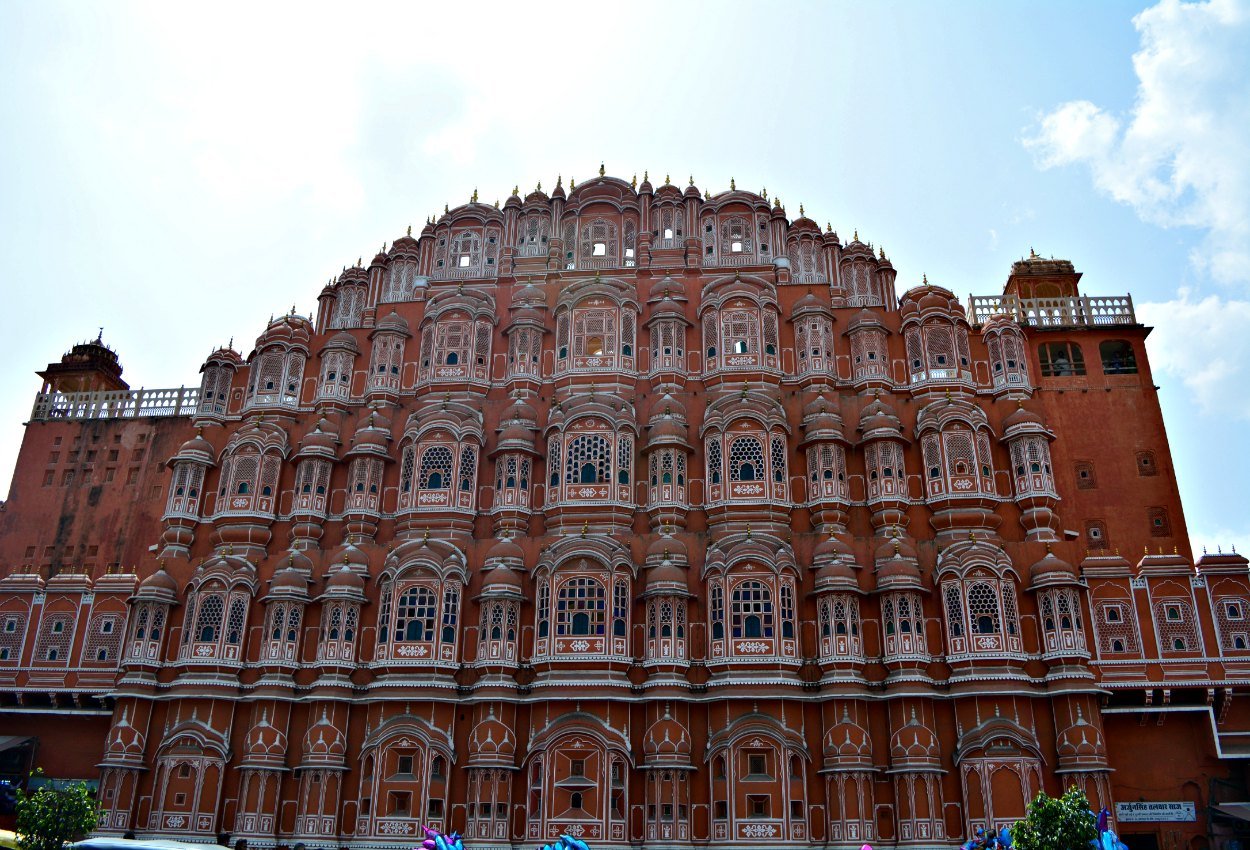
Hawa Mahal is one of those Jaipur landmarks that most people recognise before they even visit the city. Its pink façade is famous, but the experience changes once you walk around to the entrance and step inside. The quiet courtyards, narrow passages, coloured glass and views over the old city make it much more than a roadside photo stop.
This practical guide covers the latest Hawa Mahal ticket price, timings, entry route, best photography spots and nearby places. The details are written for travellers who want to plan the visit without wasting time in the busy walled city.
Hawa Mahal Jaipur: Quick Information
| Location | Hawa Mahal Road, Badi Chaupar, Jaipur |
|---|---|
| Opening hours | Generally 9:00 AM to 6:30 PM |
| Indian adult ticket | ₹100 |
| Indian student ticket | ₹50 with valid ID |
| Foreign adult ticket | ₹600 |
| Foreign student ticket | ₹300 with valid ID |
| Time required | 45 to 60 minutes |
| Nearest metro station | Badi Chaupar |
| Best time for photos | Early morning |
Ticket prices and entry hours can change through government orders or special arrangements. Recheck the current details on the official Rajasthan monument booking portal before a time-sensitive visit.
Hawa Mahal Ticket Price
From January 2026, the entry fee for Hawa Mahal was revised to ₹100 for an Indian adult and ₹600 for a foreign adult. Indian students pay ₹50 and foreign students ₹300 when they carry valid student identification.
You do not need a ticket to see or photograph the famous front façade because it faces the public road. The ticket is required only when you enter the monument and explore its courtyards, ramps, galleries and upper levels.
Hawa Mahal Timings and Best Time to Visit
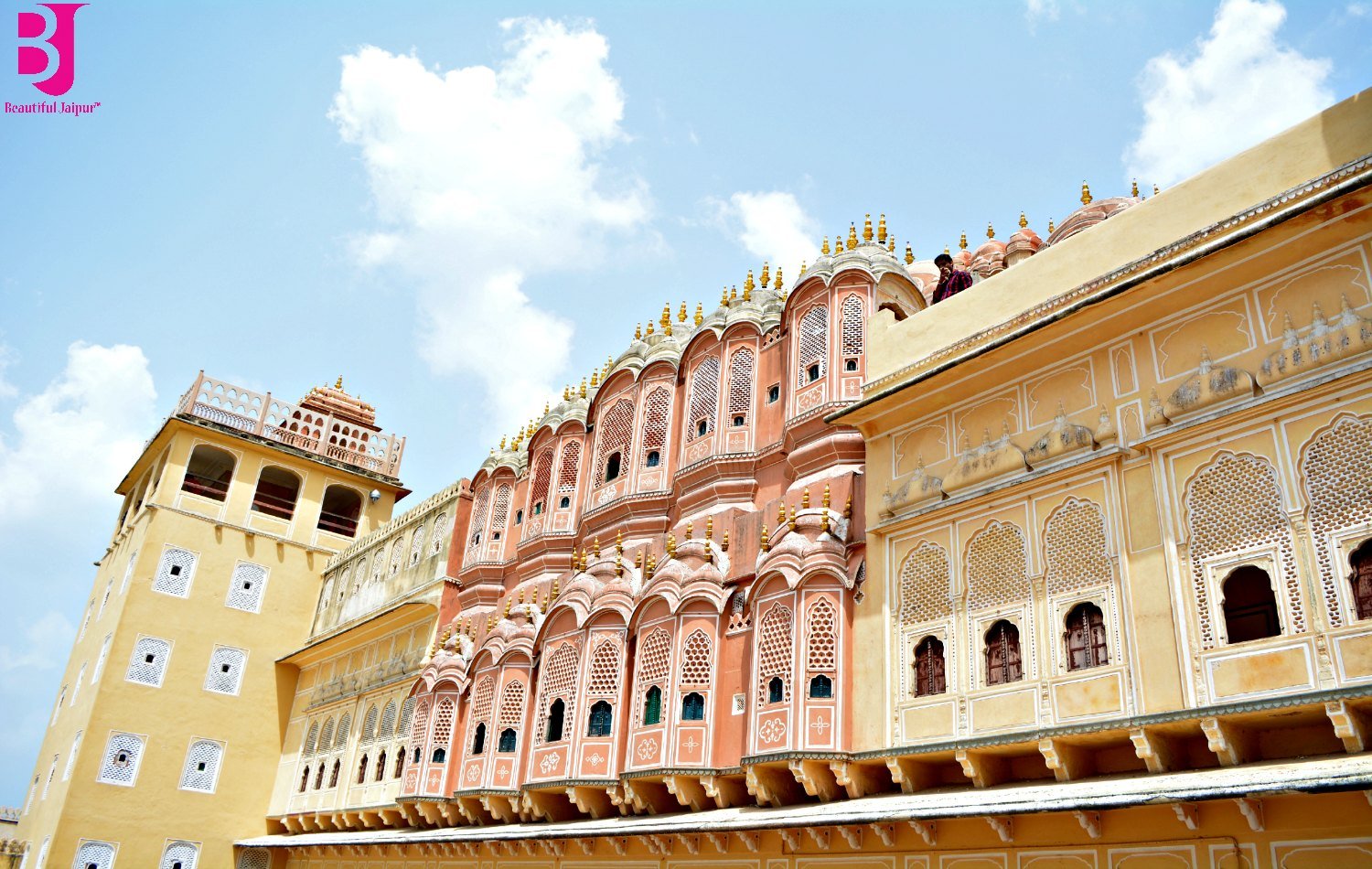
Hawa Mahal generally opens at 9:00 AM and remains open until early evening. Try to reach around opening time if you want a quieter visit. The courtyards feel calmer, the ramps are easier to explore and the light is more comfortable for photography.
For the classic front-view photograph, the best light usually falls on the façade in the morning. The opposite side of the road gives the full view, but traffic is active here, so use the pedestrian crossing and avoid standing in the carriageway. Rooftop cafés across the road offer a higher angle, although ordering rules and photography policies differ from place to place.
Where Is the Entrance?
This confuses many first-time visitors: the entrance is not through the famous front façade. Walk around towards the rear side, near the City Palace side of the complex, to reach the ticket counter and entry courtyard. If you are coming from Badi Chaupar metro station, it is a short walk through the old city market area.
What to See Inside Hawa Mahal
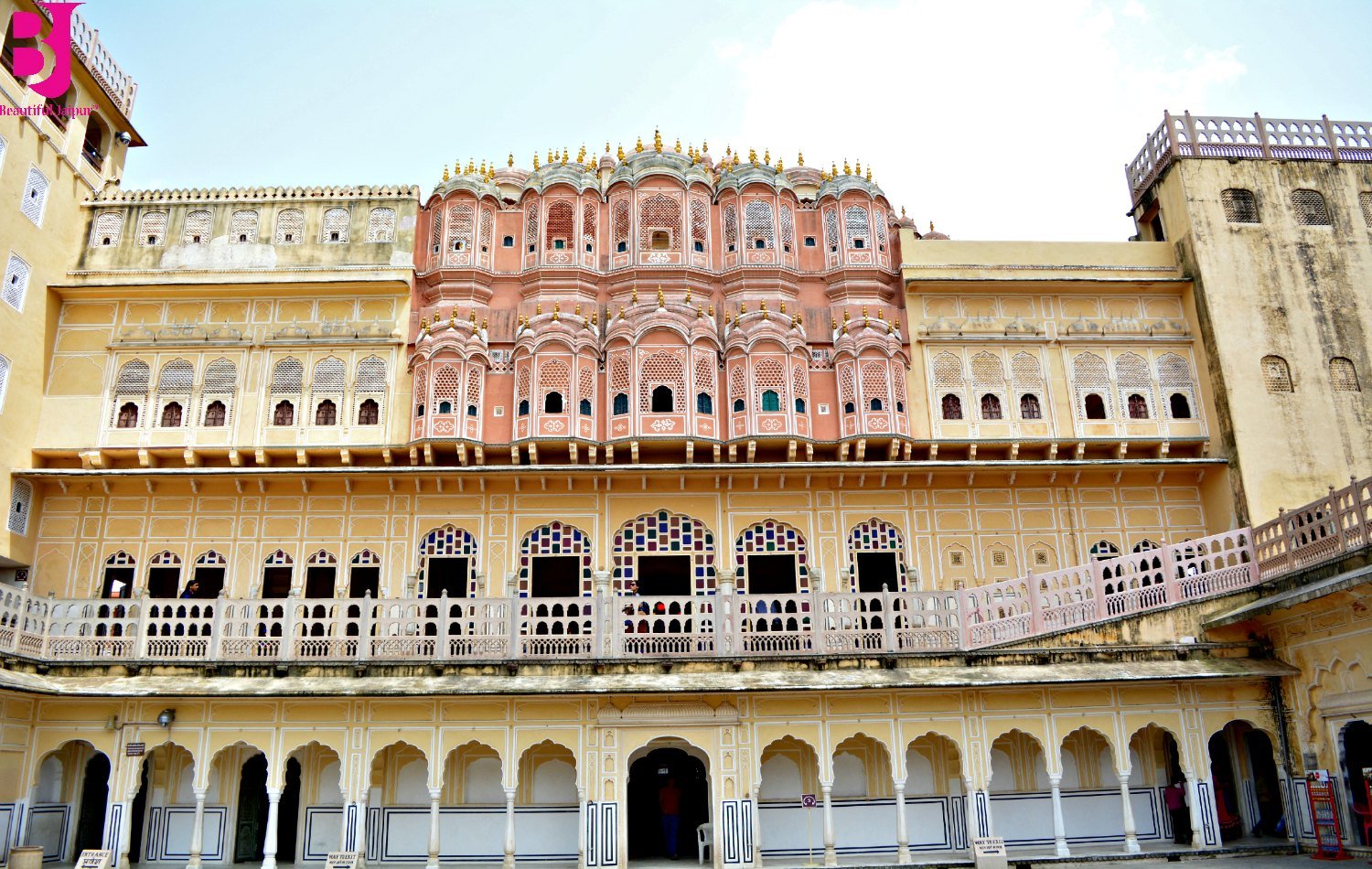
The interior is not filled with heavily furnished royal rooms. Its beauty lies in the way the building was designed: open courtyards, small chambers, ramps, screened windows and passages that guide air through the structure.
1. The Inner Courtyard
The visit begins in a spacious courtyard surrounded by pale yellow and pink architecture. Pause here before heading upward; it is one of the best places to understand how narrow the street-facing section actually is.
2. Ramps and Upper Floors
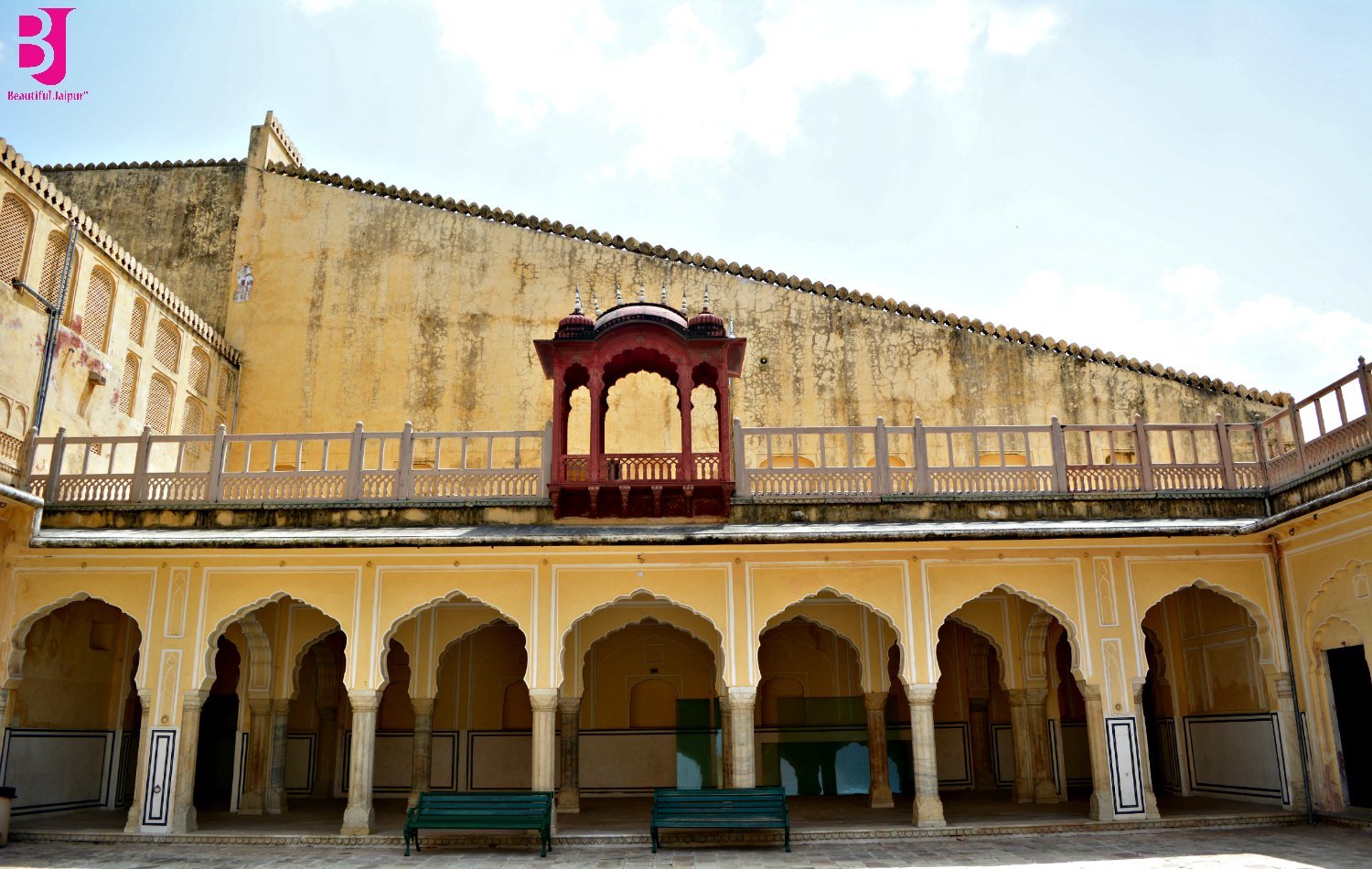
Instead of grand staircases connecting every level, much of Hawa Mahal is approached through ramps. These helped royal women move comfortably between floors. The climb is manageable, but some passages become narrow when tour groups arrive.
3. Coloured Glass Windows
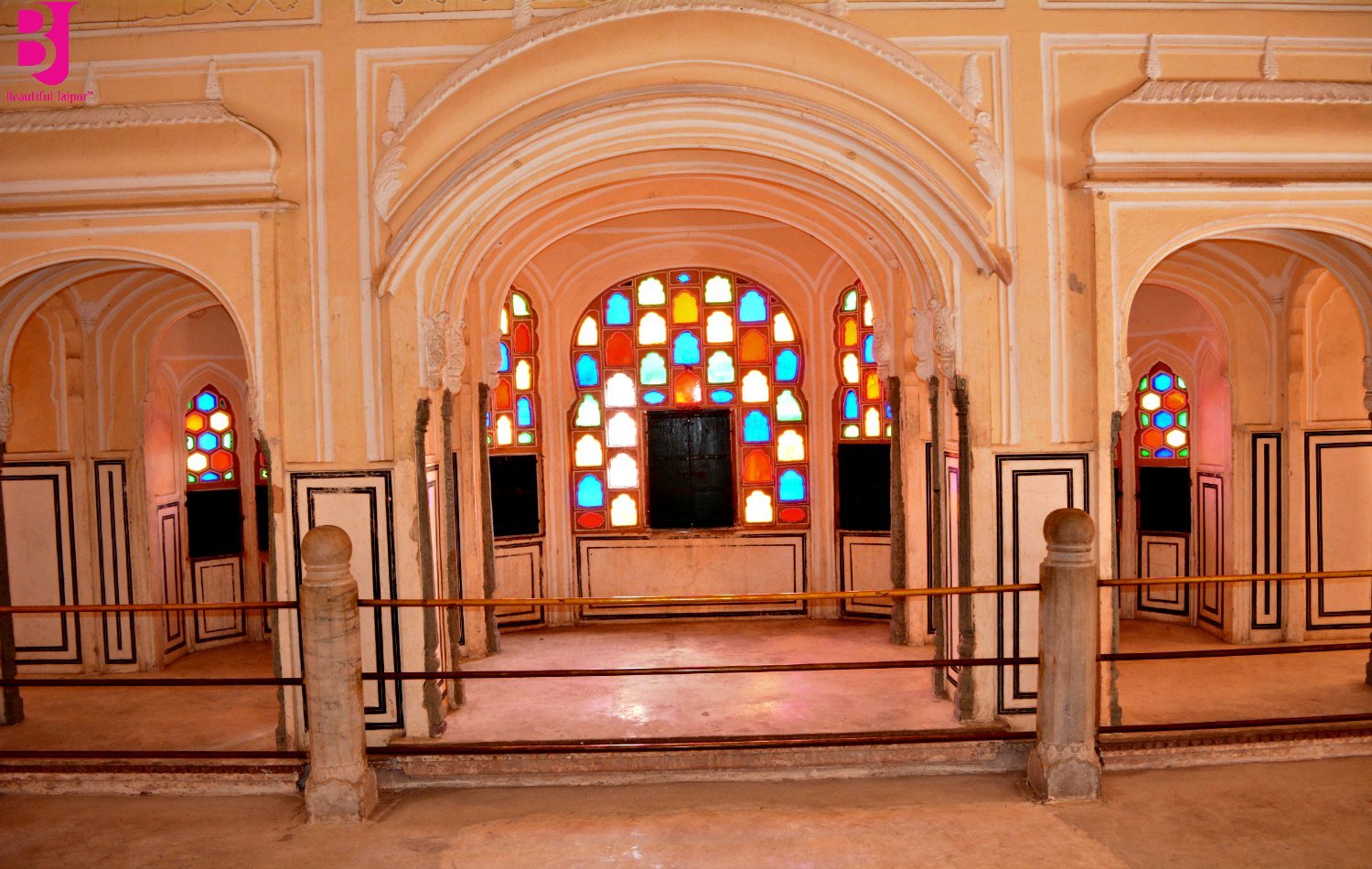
The coloured glass section is small but memorable. When sunlight passes through the red, blue, green and yellow panes, the room takes on a warm glow. It is worth slowing down here instead of treating the monument as a quick climb to the top.
4. Jharokhas and Old City Views
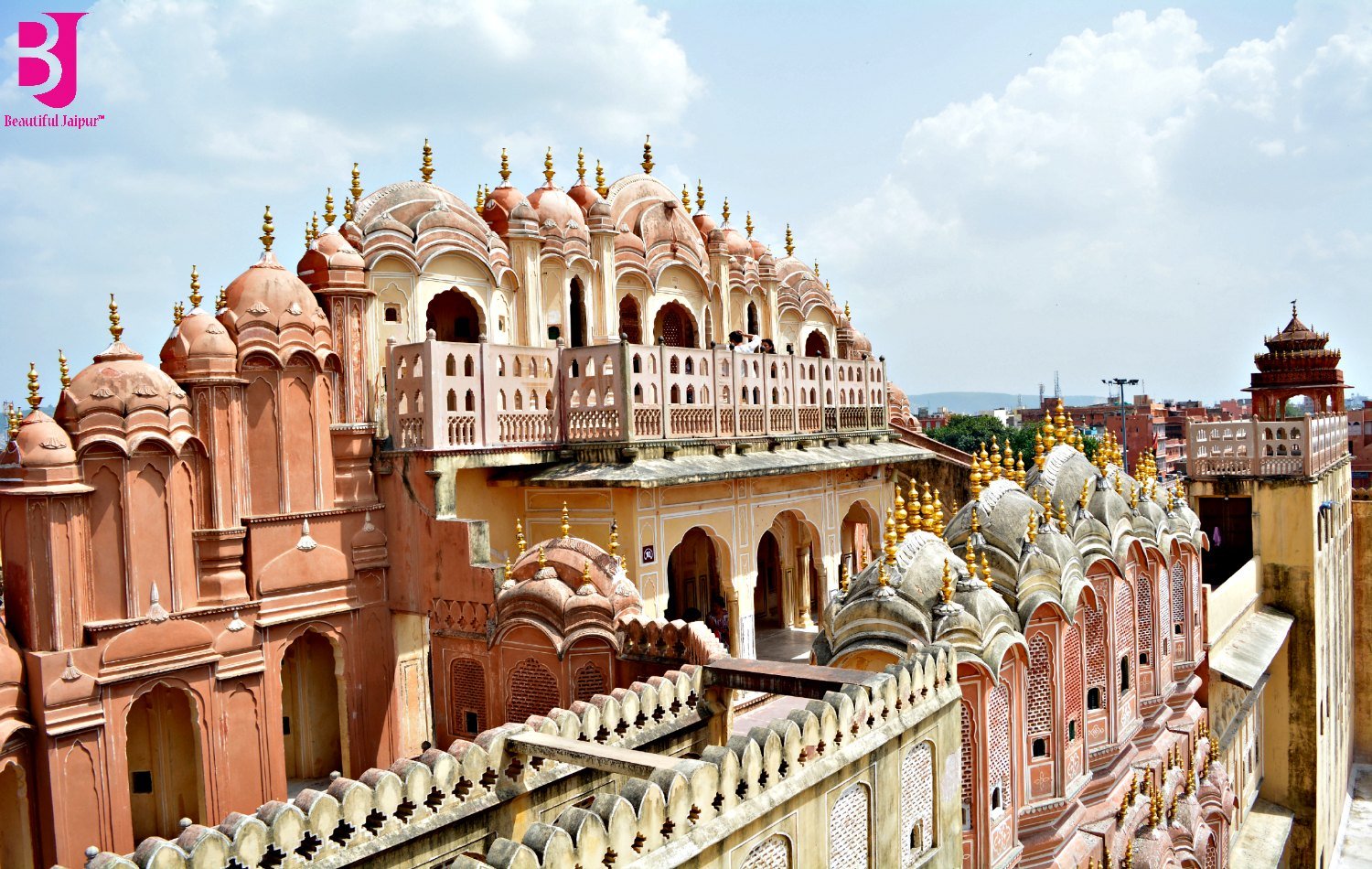
The small screened windows are the heart of Hawa Mahal. They allowed women of the royal household to watch processions and daily life on the street while remaining unseen. From the upper levels, you can look over the walled city, towards Jantar Mantar and the City Palace area.
A Short History of Hawa Mahal
Hawa Mahal was built in 1799 by Maharaja Sawai Pratap Singh and designed by Lal Chand Ustad. The five-storey structure forms part of Jaipur’s City Palace complex. Its façade, with 953 small jharokhas, is often compared to a honeycomb and is said to resemble the crown of Lord Krishna.
The jharokhas were not created only for decoration. They allowed members of the royal household to observe festivals, processions and market life while following the privacy customs of the period. The openings also helped air move through the building, giving the “Palace of Winds” its name. The architecture combines Rajput forms with Mughal details, something visible in its arches, domes, stone latticework and delicate ornamentation. More historical background is available on the official Rajasthan Tourism page.
How to Reach Hawa Mahal
- By metro: Badi Chaupar is the nearest station and is within comfortable walking distance.
- By auto or cab: Ask for Hawa Mahal or Badi Chaupar. Traffic restrictions and market congestion may mean getting down a short distance away.
- By car: Parking immediately outside is difficult. Use an authorised parking area in the old city and continue on foot or by e-rickshaw.
- On foot: Hawa Mahal combines easily with City Palace, Jantar Mantar, Govind Dev Ji Temple and the surrounding bazaars.
Best Photo Spots
- Across Hawa Mahal Road: Best for the complete symmetrical façade, especially in morning light.
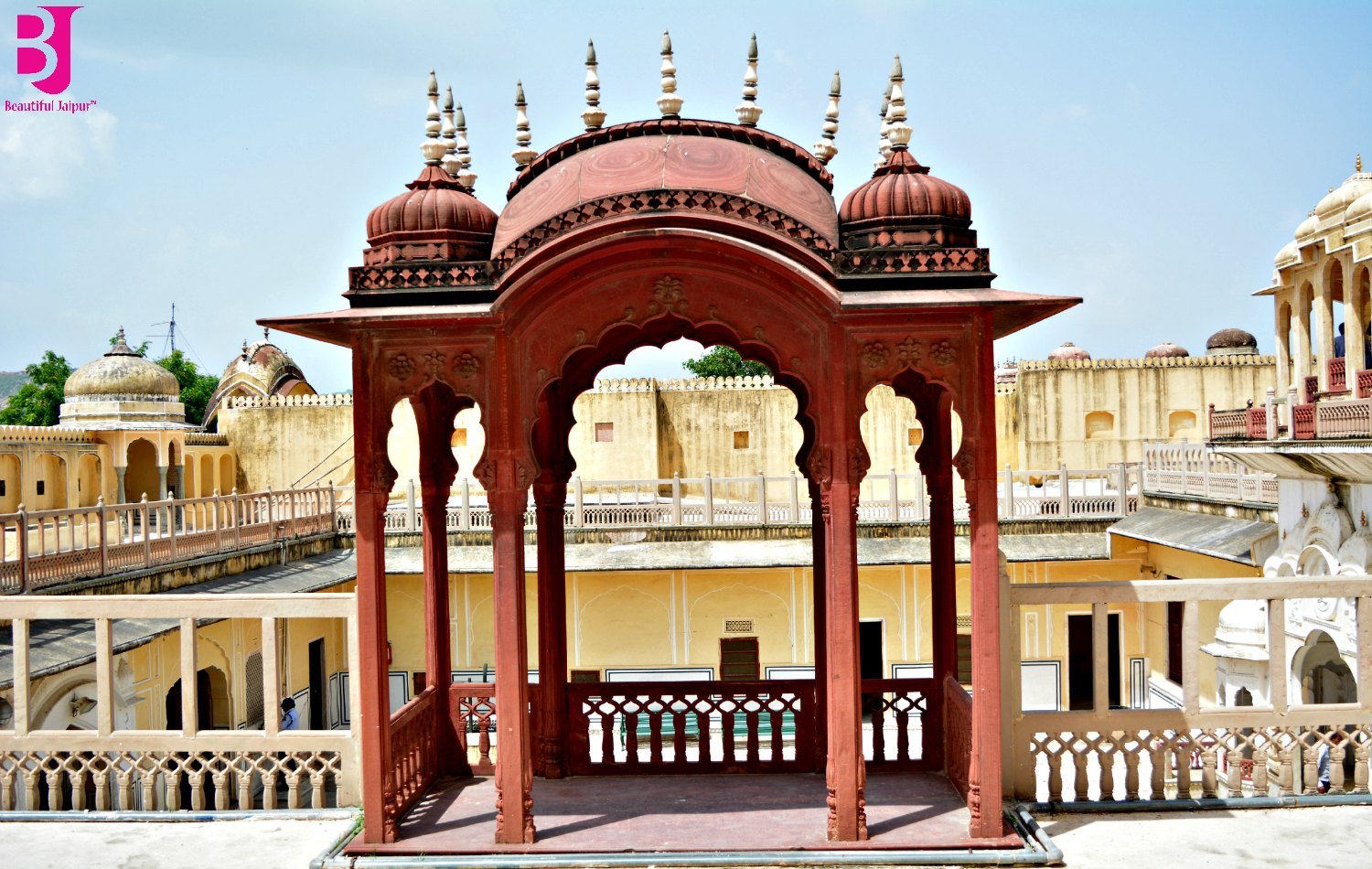
- Inside the courtyard: Good for arches, pavilions and the lesser-seen rear architecture.
- Coloured glass room: Best when sunlight is passing through the panes.
- Upper-level jharokhas: Frame the old-city streets through the windows.
- Rooftop level: Useful for wider views of Jaipur’s historic centre.
A wide-angle phone camera works well for the exterior because the road is narrow. For portraits, avoid blocking passages and be mindful of other visitors. Tripods or professional equipment may be subject to current monument rules, so confirm at the counter.
Places to Visit Near Hawa Mahal
- City Palace: Around 5–10 minutes on foot.
- Jantar Mantar: Next to the City Palace area.
- Govind Dev Ji Temple: A short walk inside the palace complex area.
- Johari Bazaar: Ideal for jewellery, textiles and Jaipur shopping.
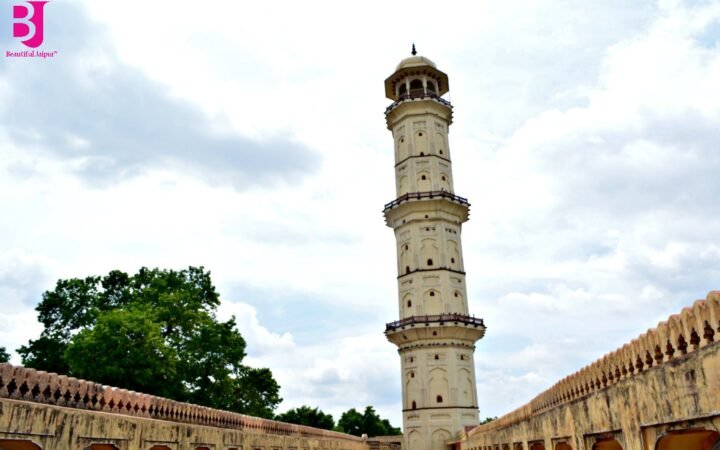
- Isarlat or Sargasuli: A historic tower offering old-city views.
If you are planning a full sightseeing day, combine this stop with our Amer Fort Jaipur guide or follow this one-day Jaipur itinerary.
Local Tips Before You Go
- Reach early if you want clean exterior photographs and fewer people inside.
- Wear comfortable footwear; the visit involves ramps and several levels.
- Carry water in warm weather, but follow the monument’s current restrictions.
- Do not plan a tight cab pickup directly at the front gate because old-city traffic can be unpredictable.
- Keep a valid student ID if you want the concessional ticket.
- Set aside extra time for the surrounding markets; the area is best explored on foot.
Frequently Asked Questions
Can we go inside Hawa Mahal?
Yes. The famous façade is only one part of the monument. A ticket lets you enter the courtyard, explore the ramps and upper floors, and look through the historic jharokhas.
Is Hawa Mahal free to visit?
The street-facing exterior can be seen and photographed for free. Entry inside the monument requires a ticket.
How much time is enough for Hawa Mahal?
Keep 45 to 60 minutes for the interior. Allow more time if you enjoy architecture and photography or plan to visit nearby attractions on foot.
Which metro station is nearest to Hawa Mahal?
Badi Chaupar metro station is the nearest and is a convenient option for avoiding old-city traffic.
Is Hawa Mahal worth entering?
Yes, especially on a first visit. The exterior is the iconic view, but the interior explains how the building worked and offers details and city views that cannot be seen from the road.
Beautiful Jaipur note: We photographed the interiors ourselves so you can see what lies behind the famous façade. If any timing or ticket rule changes during your visit, tell us and we will update this guide for other travellers.

1 Comments