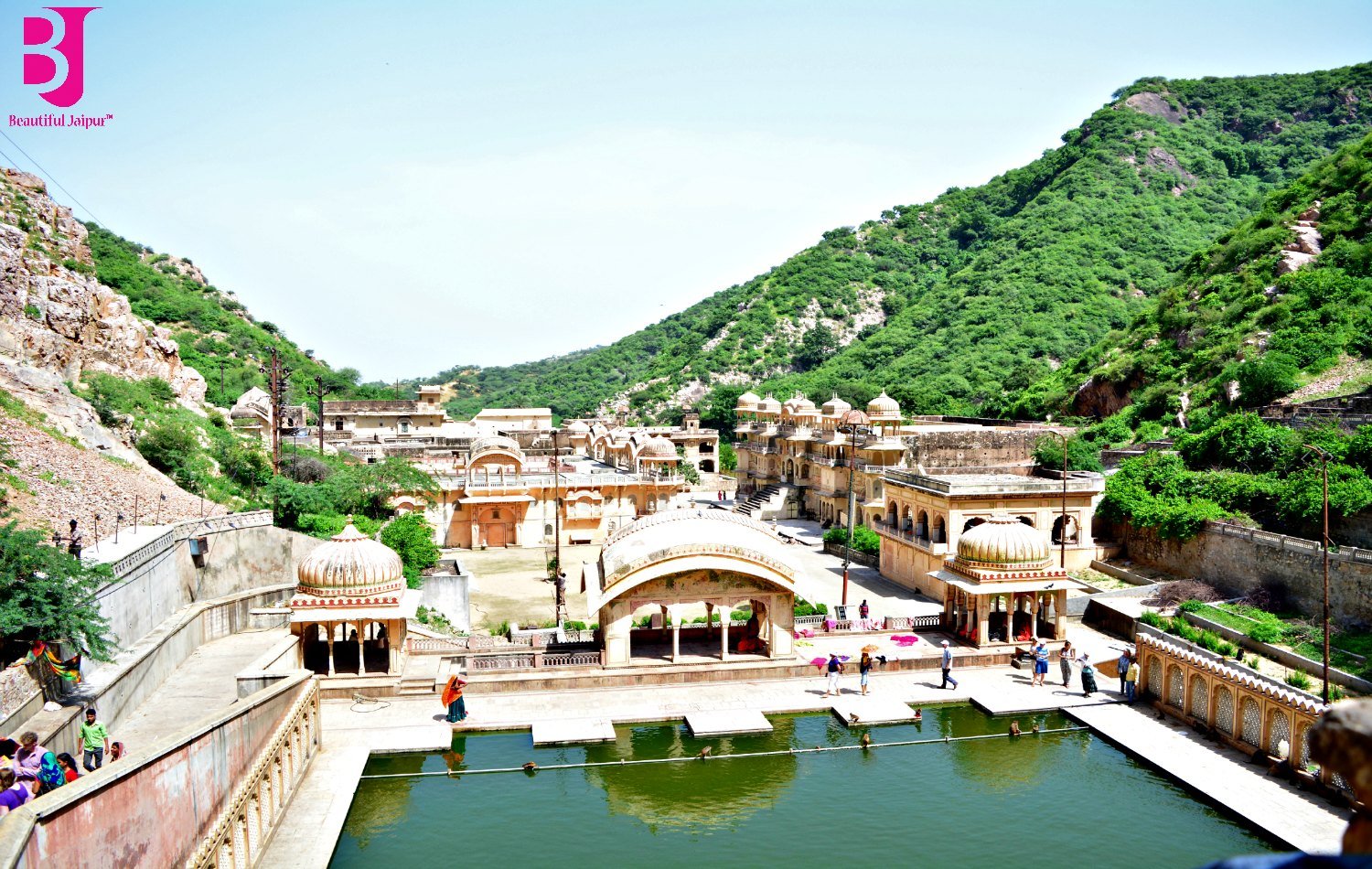
There are places in Jaipur that impress you with scale, and then there are places that stay with you because of their setting. Galtaji belongs to the second kind. Tucked into a narrow gap in the Aravalli hills, the temple complex feels surprisingly removed from the traffic and noise of the city. Old painted buildings, sacred water tanks, rocky slopes and the constant movement of monkeys give it a character that is unlike any other monument in Jaipur.
Galtaji is often introduced to visitors as the “Monkey Temple”, but that nickname tells only a small part of the story. This is an active pilgrimage site with several temples, pavilions and kunds built around a natural spring. Come here for the architecture and views, but remember that for many visitors it is first and foremost a sacred place.
Galtaji Temple Jaipur: quick visitor information
- Location: Galta Road, east of Jaipur’s walled city
- Distance from central Jaipur: About 10 km; allow 25–40 minutes depending on traffic
- Practical visiting window: Early morning to early evening. Local timings can change, so confirm before making a very early or late visit
- Entry: Entry to the temple is free; photography rules may be revised locally
- Time required: Around 1.5 to 2 hours, longer if you walk up to the hilltop Sun Temple
- Best season: October to March; monsoon months bring greener hills but can make steps slippery
- Dress: Comfortable footwear and modest clothing suitable for an active temple complex
What makes Galtaji different?
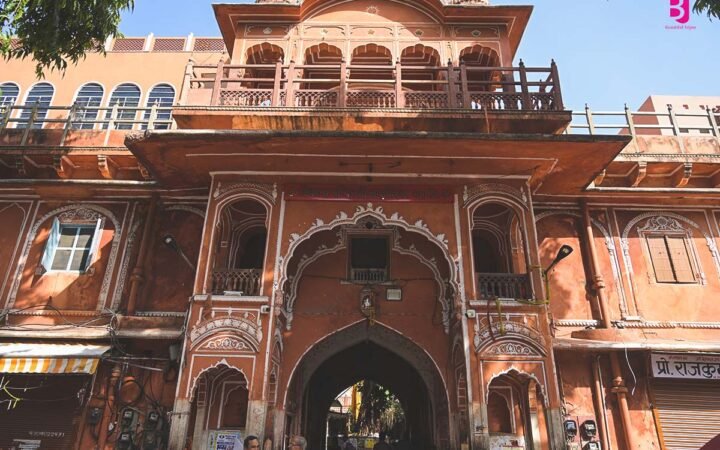
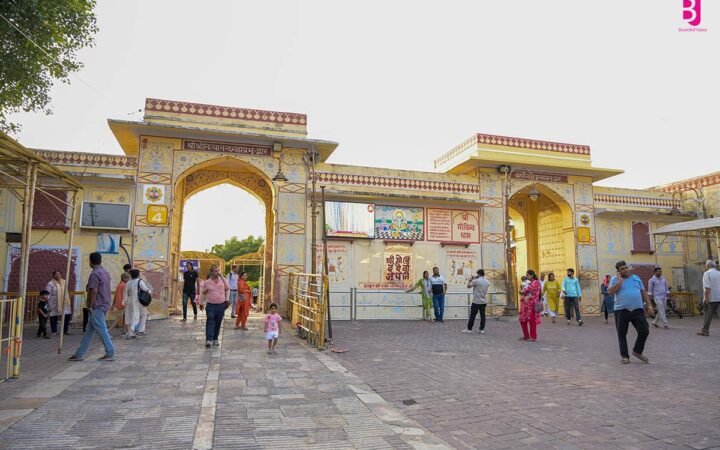
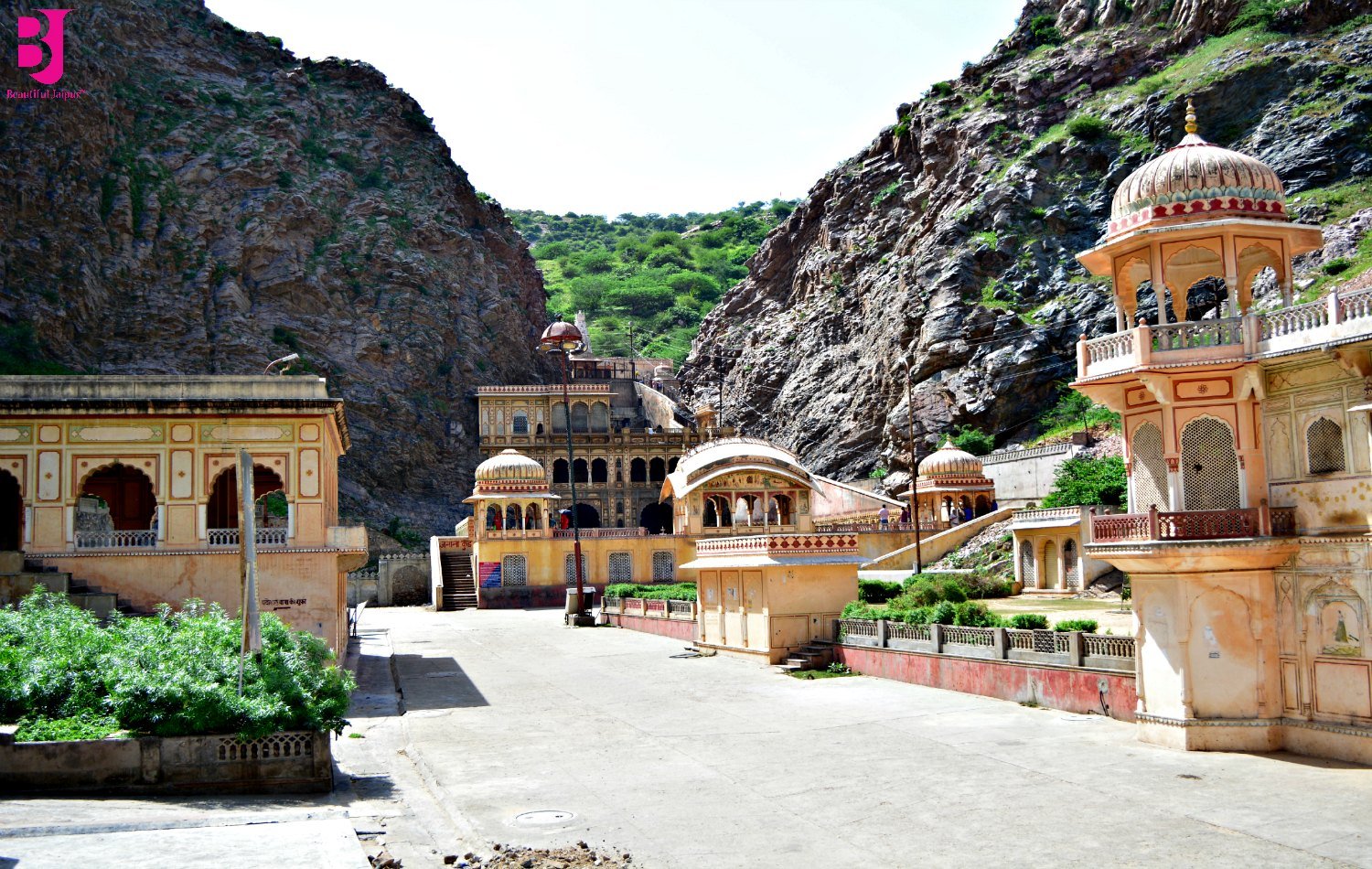
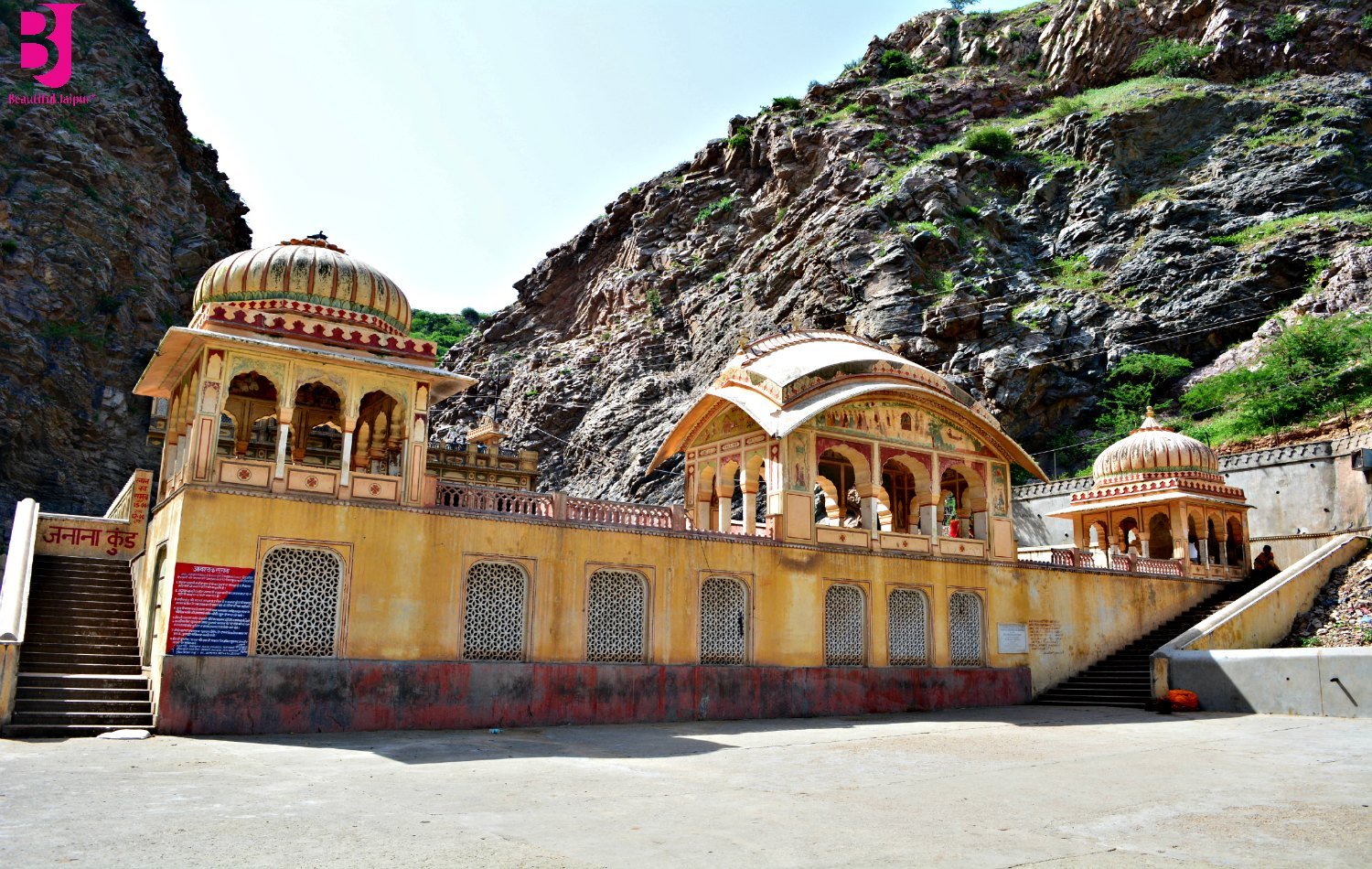
Galtaji is not a single temple building. It is a layered complex spread along the valley, with shrines, courtyards, arched pavilions and water tanks appearing one after another as you walk through it. The surrounding cliffs form a natural backdrop, making even the quieter corners feel theatrical.
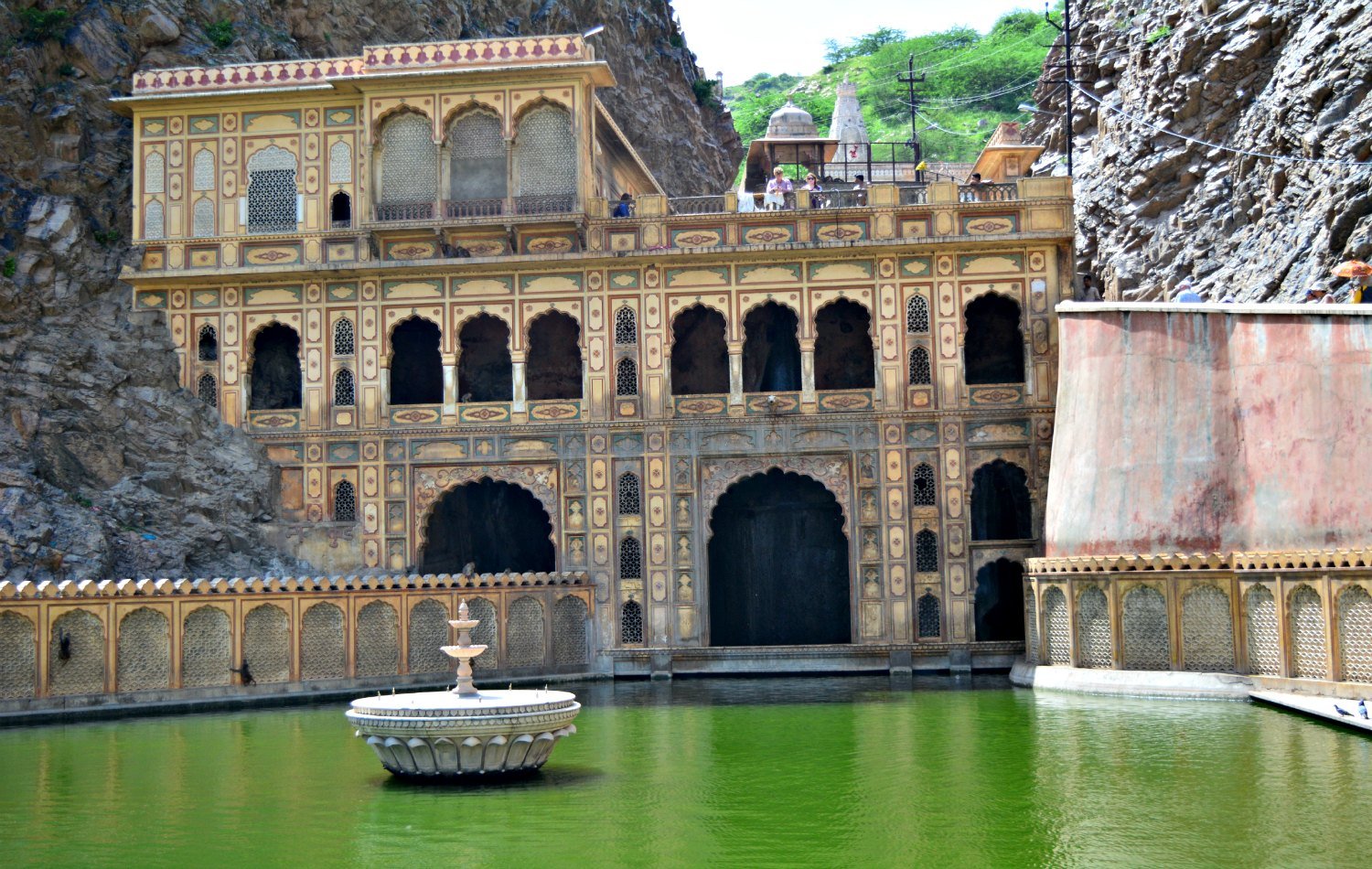
The complex developed around a natural spring whose water flows into a series of sacred kunds. Pilgrims have visited these tanks for generations, especially on important religious occasions. Galta Kund is the best-known of them and is considered especially sacred. You may see devotees bathing or performing rituals, so photography should always be discreet and respectful.
A short history of Galta Ji
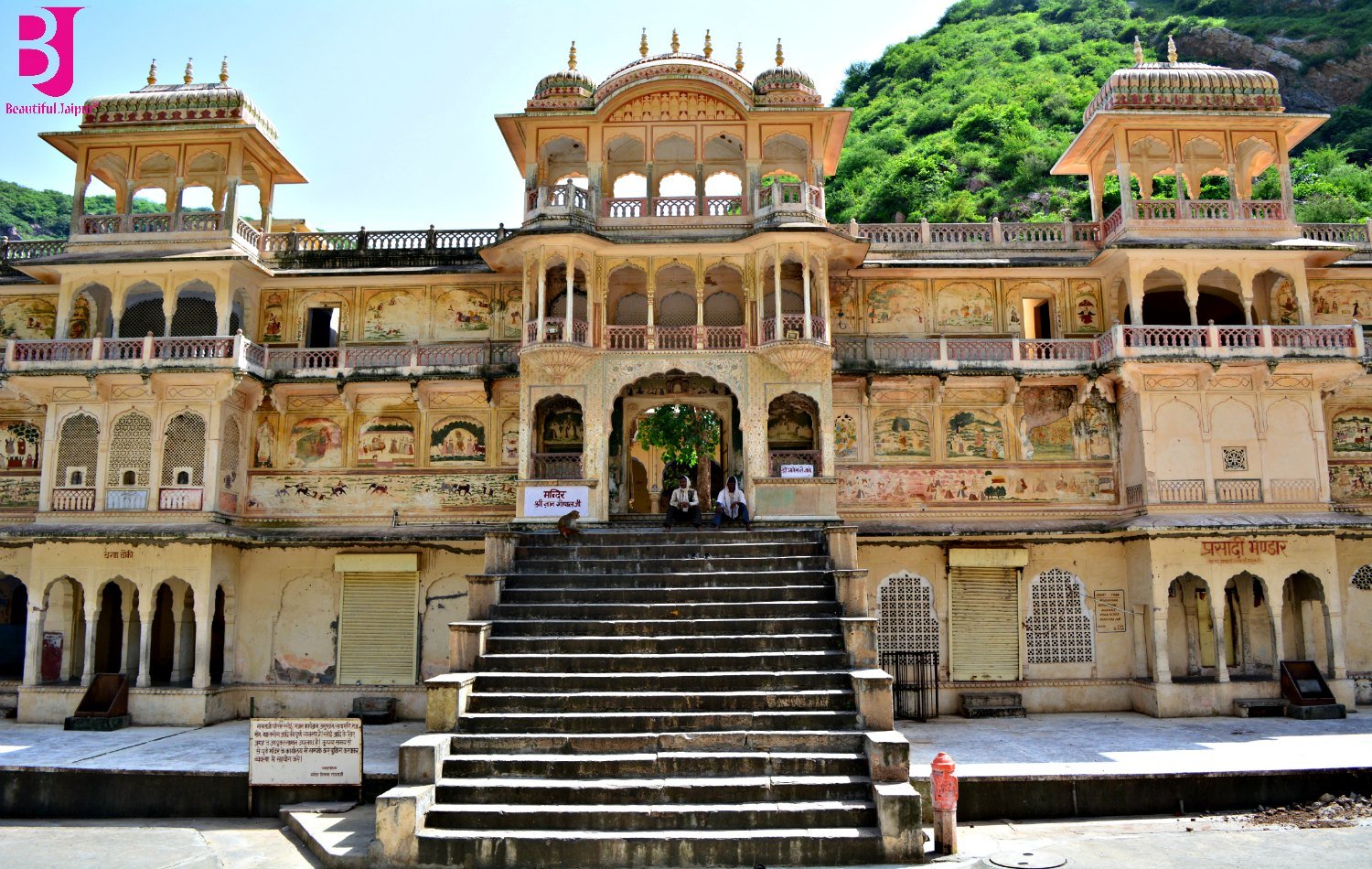
The present complex is closely associated with Jaipur’s royal period and the ascetic traditions that flourished in this valley. Much of the architecture visitors see today reflects the regional style of the 18th century: pale sandstone surfaces, scalloped arches, chhatris, painted panels and enclosed courtyards that sit naturally against the rugged hills.
Local tradition connects the site with the sage Galav, and the name Galta is commonly linked to that association. Over time, shrines dedicated to different deities grew around the spring and bathing tanks. Rather than rushing through in search of one “main” building, it is worth treating the whole valley as the experience.
What to see inside Galtaji Temple
The sacred kunds
The water tanks are the heart of Galtaji. Their stepped edges, old facades and reflections create some of the most memorable views in the complex. The atmosphere changes through the day: mornings are cooler and more devotional, while the late afternoon light brings warmth to the painted walls and hills.
Painted pavilions and courtyards
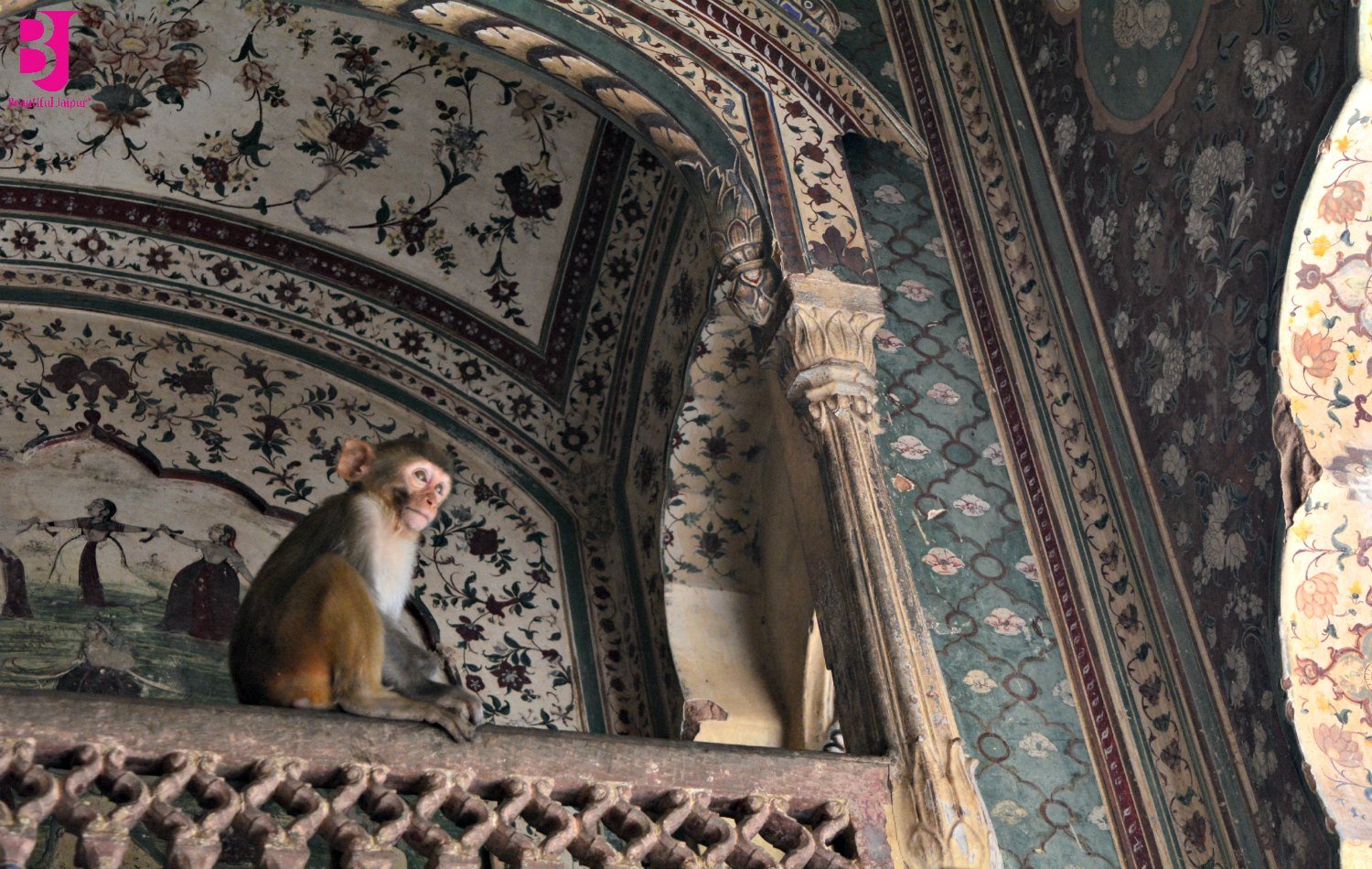
Look beyond the larger structures. Some of Galtaji’s finest details are found under arches and inside smaller pavilions, where floral paintings, decorative borders and time-worn colours survive. The beauty is not polished or symmetrical everywhere; much of its charm comes from the contrast between delicate decoration and weathered stone.
The Sun Temple
The Surya Mandir sits higher on the hill and rewards the climb with broad views over Jaipur and the surrounding ridges. The path involves steps and uneven sections, so carry water and avoid the hottest part of the day. If you are short on time, explore the lower complex properly instead of attempting a rushed climb.
The monkeys
Rhesus macaques are part of the Galtaji landscape, which is how the place acquired its popular English nickname. They can be entertaining to watch, but they are wild animals rather than a tourist attraction. Keep food out of sight, hold phones and sunglasses securely, and do not tease, touch or corner them. Giving them space makes the visit safer for everyone.
Best time to visit Galtaji Temple
For a comfortable visit, arrive in the morning when the valley is cooler and the complex is relatively calm. Late afternoon can also be beautiful, particularly for views from the higher paths, but leave enough time to return before the light fades. Midday is tiring in warmer months because the stone paths and steps are exposed.
October to March offers the easiest weather for walking. During the monsoon, the Aravalli slopes turn green and the setting looks dramatically different, although wet stone and steps require extra care. Around Makar Sankranti and other important religious dates, the temple can be busy with pilgrims; visit with patience and avoid treating ceremonies as staged photo opportunities.
Galtaji Temple timings and entry fee
The complex is generally accessible from early morning until evening. Published timings differ across visitor sources, so a practical plan is to visit between roughly 5:00 am and 7:00 pm and confirm locally if you intend to arrive outside that window.
Entry to the temple is free. Camera or photography charges and local access rules can change, particularly for special areas or equipment, so check at the entrance rather than relying on an old price found online. Carry some cash for small local charges and offerings, but use authorised counters where available.
How to reach Galtaji Temple from Jaipur
Galtaji lies to the east of the old city and is easiest to reach by taxi, app cab or auto-rickshaw. From Hawa Mahal or the City Palace area, the drive usually takes around half an hour, though traffic near the old city can add time. Ask your driver to take you to the main Galtaji entrance and agree on the return arrangement if you are travelling at a quiet hour.
Parking is limited and the final approach can become busy. If you are using your own vehicle, arrive early and follow local parking directions rather than stopping near the narrow access road. The complex itself involves walking, slopes and steps, so it may be difficult for visitors with limited mobility.
What to wear and carry
- Wear shoes with a reliable grip; avoid smooth soles on old or wet steps.
- Choose clothing that covers shoulders and knees as a mark of respect.
- Carry drinking water, especially if you plan to climb toward the Sun Temple.
- Keep snacks inside a zipped bag so they do not attract monkeys.
- Carry a small amount of cash, but avoid displaying wallets or loose items.
- Do not enter or photograph a ritual area without checking first.
Photography tips
The wide view across the kund toward the green or rocky hills is the classic Galtaji frame. A slightly lower angle can bring reflections into the composition, while the arched pavilions work well for framing the courtyards. Inside painted areas, avoid harsh flash and watch for worshippers before taking a photograph.
The monkeys are easiest to photograph from a respectful distance. Do not offer food simply to bring them closer, and never block their route. The photographs in this guide come from Beautiful Jaipur’s own archive and show how different the complex can look from one courtyard to the next.
Places to visit near Galtaji
Galtaji pairs naturally with Sisodia Rani Garden and Vidyadhar Garden, both located on the eastern side of Jaipur. If you start early, you can continue to Hawa Mahal, City Palace and Jantar Mantar for a full day covering spiritual, garden and heritage experiences.
A relaxed half-day route is Galtaji first, followed by Sisodia Rani Garden and Vidyadhar Garden. This keeps travel practical and avoids zig-zagging across the city.
Frequently asked questions
Is Galtaji Temple the same as Monkey Temple?
Yes, many international visitors call Galtaji the Monkey Temple because of the large monkey population. Galtaji or Galta Ji is the more appropriate name for the sacred temple complex.
Is there an entry fee for Galtaji Temple?
Entry to the temple is free. Photography, camera or local access charges may change, so confirm at the entrance on the day of your visit.
How much time is needed at Galtaji?
Allow at least 90 minutes for the lower complex. Keep two hours or more if you want to walk slowly, photograph the architecture or climb toward the Sun Temple.
Is Galtaji suitable for children?
Families can visit, but children should stay close to an adult around the kunds, steps and monkeys. Do not let them carry food openly or approach the animals.
Can visitors bathe in the kunds?
The kunds are sacred bathing places used by pilgrims. Casual swimming is not appropriate. Follow posted instructions and local guidance, and respect people performing religious rituals.
Beautiful Jaipur’s local note
Galtaji is at its best when you do not treat it as a quick photo stop. Walk slowly, notice the painted ceilings and shifting views between the arches, and give the religious life of the place space to continue around you. The combination of sacred water, old architecture and the Aravalli valley is what makes this one of Jaipur’s most distinctive experiences.