There is a point on the road from Jaipur where the traffic begins to thin, the Aravalli hills move closer, and Bhangarh stops feeling like just another weekend destination. Its ruined bazaars, temples and palace walls have made it famous as India’s “most haunted fort”, but the place is far more interesting when you look beyond that label.
Bhangarh Fort lies in Rajasthan’s Alwar district, close to the Sariska landscape and roughly 85–90 km from Jaipur. It works well as a day trip for travellers who enjoy history, old architecture, photography and quiet countryside drives.
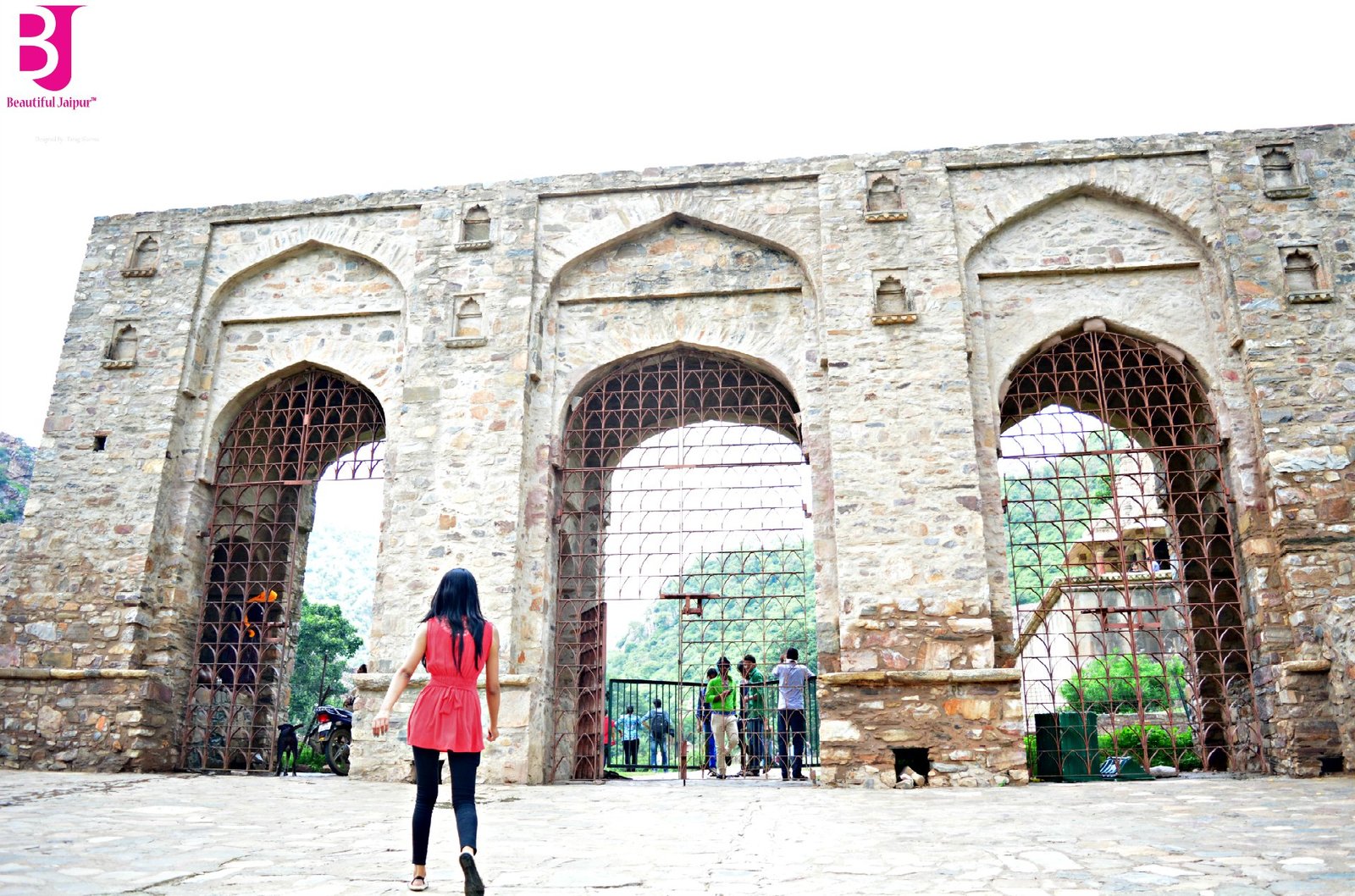
Bhangarh Fort timings and entry fee
| Location | Near Gola ka Baas, Rajgarh tehsil, Alwar district, Rajasthan |
| Visiting hours | Plan your visit between 9:00 AM and 5:00 PM |
| Closed day | Generally open throughout the week |
| Entry restriction | Entry before sunrise and after sunset is prohibited |
| Entry fee | Usually around ₹25 for Indian visitors; foreign visitor rates may differ |
| Time required | Around 1.5 to 2 hours |
| Distance from Jaipur | Approximately 85–90 km |
Timings and ticket rates can be revised. Check the notice at the entrance before planning a late-afternoon visit. The safest plan is to reach by morning and leave well before sunset.
A fort that feels like an abandoned town
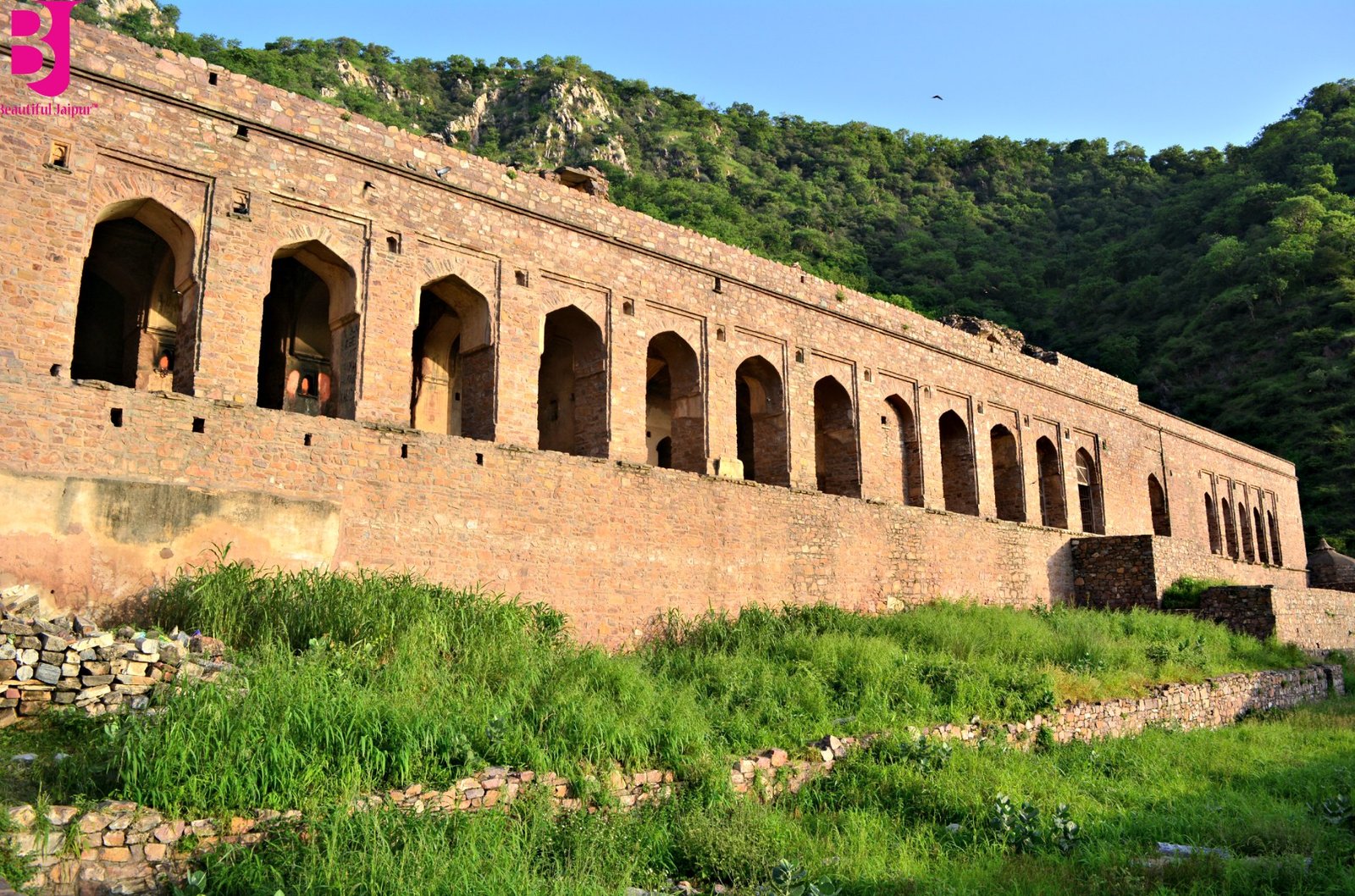
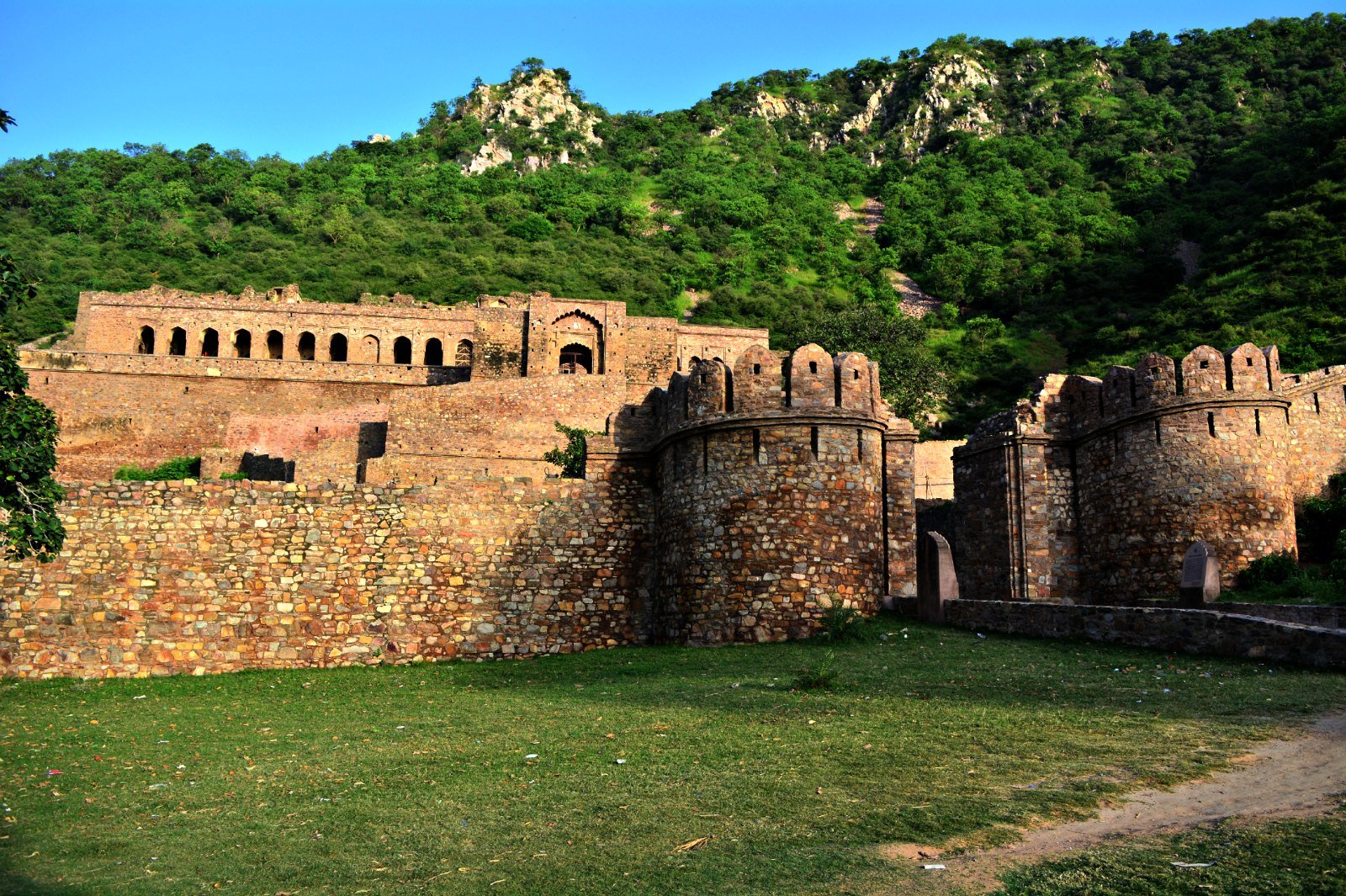
Bhangarh is not a single palace building. Once you walk through the gateway, a stone path passes the remains of an old market before climbing towards temples, havelis and the royal palace. Roofless structures stand on both sides, while the hills form a natural wall behind the settlement.
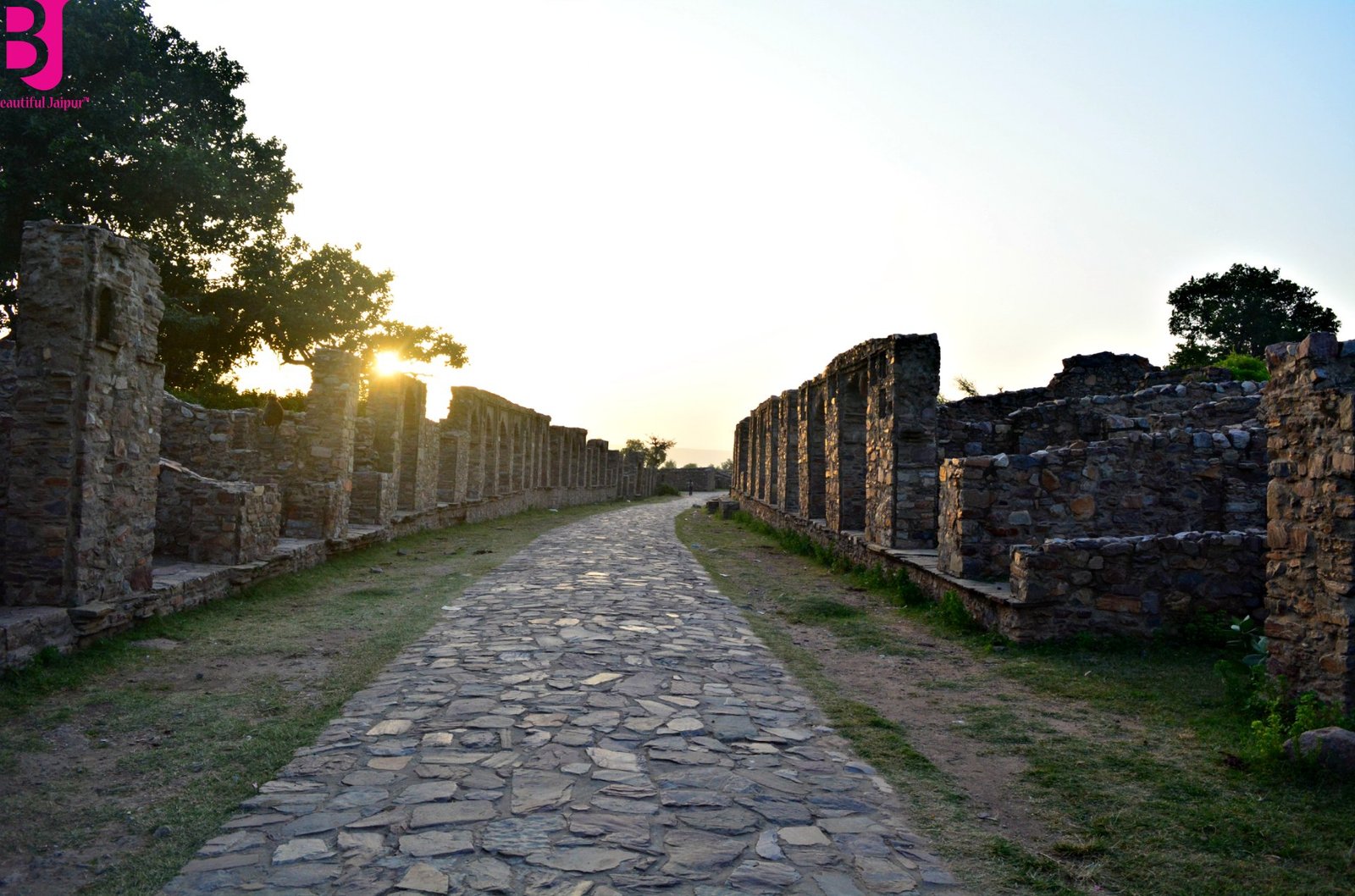
The scale becomes clearer as you move deeper inside. What now looks like scattered rubble was once a planned settlement with shops, residences, places of worship and a palace overlooking the town. It is this combination of silence, open landscape and visible history that gives Bhangarh its unusual character.
History of Bhangarh Fort
Bhangarh developed during the Kachwaha Rajput period. Government tourism sources associate its construction with Man Singh I and Madho Singh, and place its origins around the late sixteenth to early seventeenth century. The complex later declined and was eventually abandoned, leaving behind the streets and structures seen today.
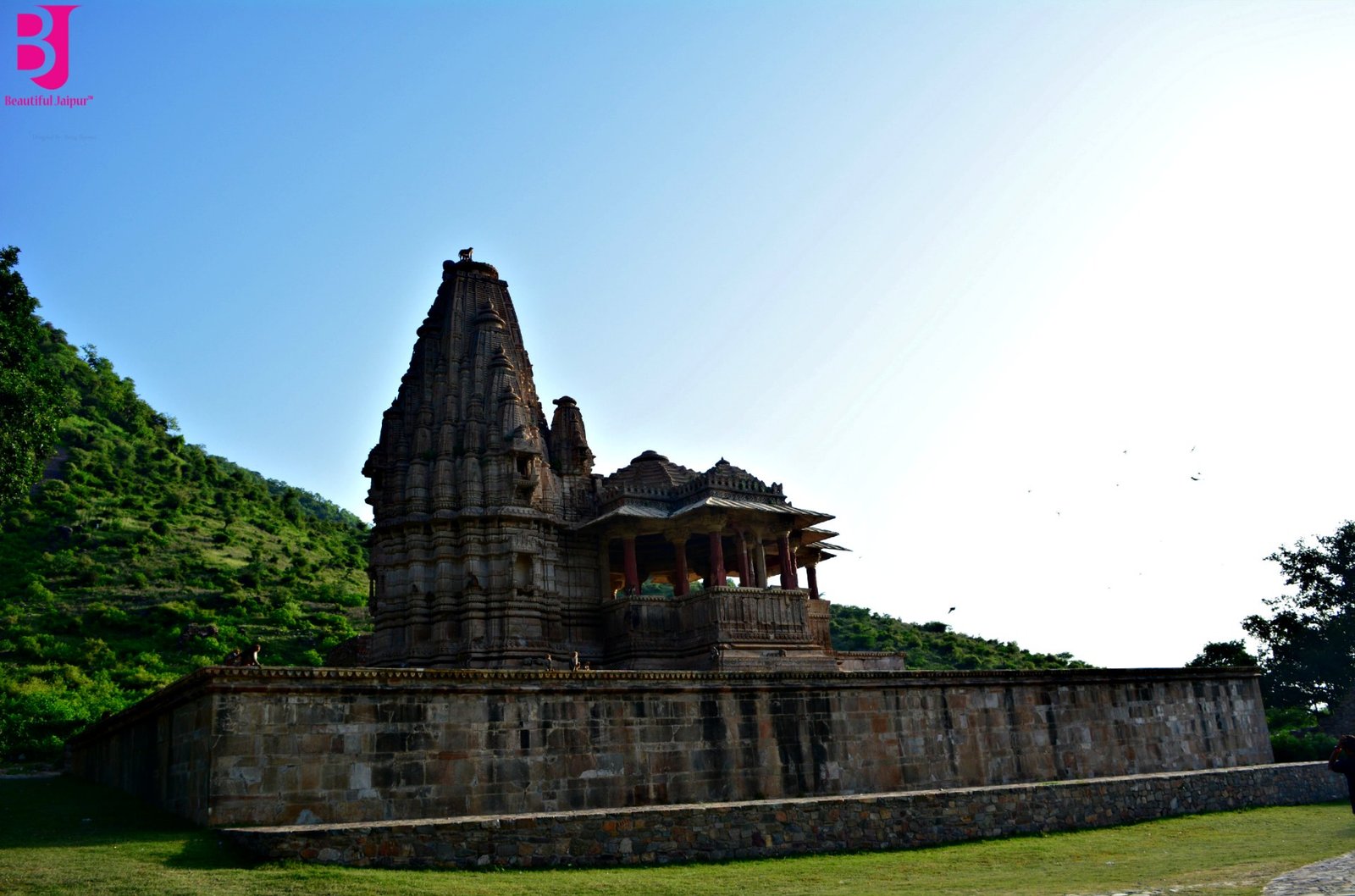
Within the fortified settlement are the remains of Johari Bazaar, havelis and temples dedicated to deities including Gopinath and Someshwar. Four gateways—Lahori, Ajmeri, Phulbari and Delhi—are also traditionally associated with the old town.
Is Bhangarh Fort really haunted?
Bhangarh’s haunted reputation comes mainly from local folklore, not from verified historical evidence. Two stories are repeated most often. One speaks of an ascetic who warned that no building should cast a shadow over his dwelling. The other tells of a tantric, a princess and a curse placed upon the town.
These tales are part of Bhangarh’s popular identity, but they should be read as legends rather than established history. The restriction on entering before sunrise or after sunset is real and must be respected. It also makes practical sense at an isolated archaeological site with uneven ruins and wildlife habitat nearby.
What to see inside Bhangarh
1. The old market street
The roofless rows beside the main path are believed to be remains of the old bazaar. This is usually the first section visitors photograph after entering.
2. Gopinath and Someshwar temples
The stone temples are among the best-preserved structures in the complex. Look closely at the pillars, doorways and surviving carvings instead of rushing directly towards the palace.
3. Royal palace ruins
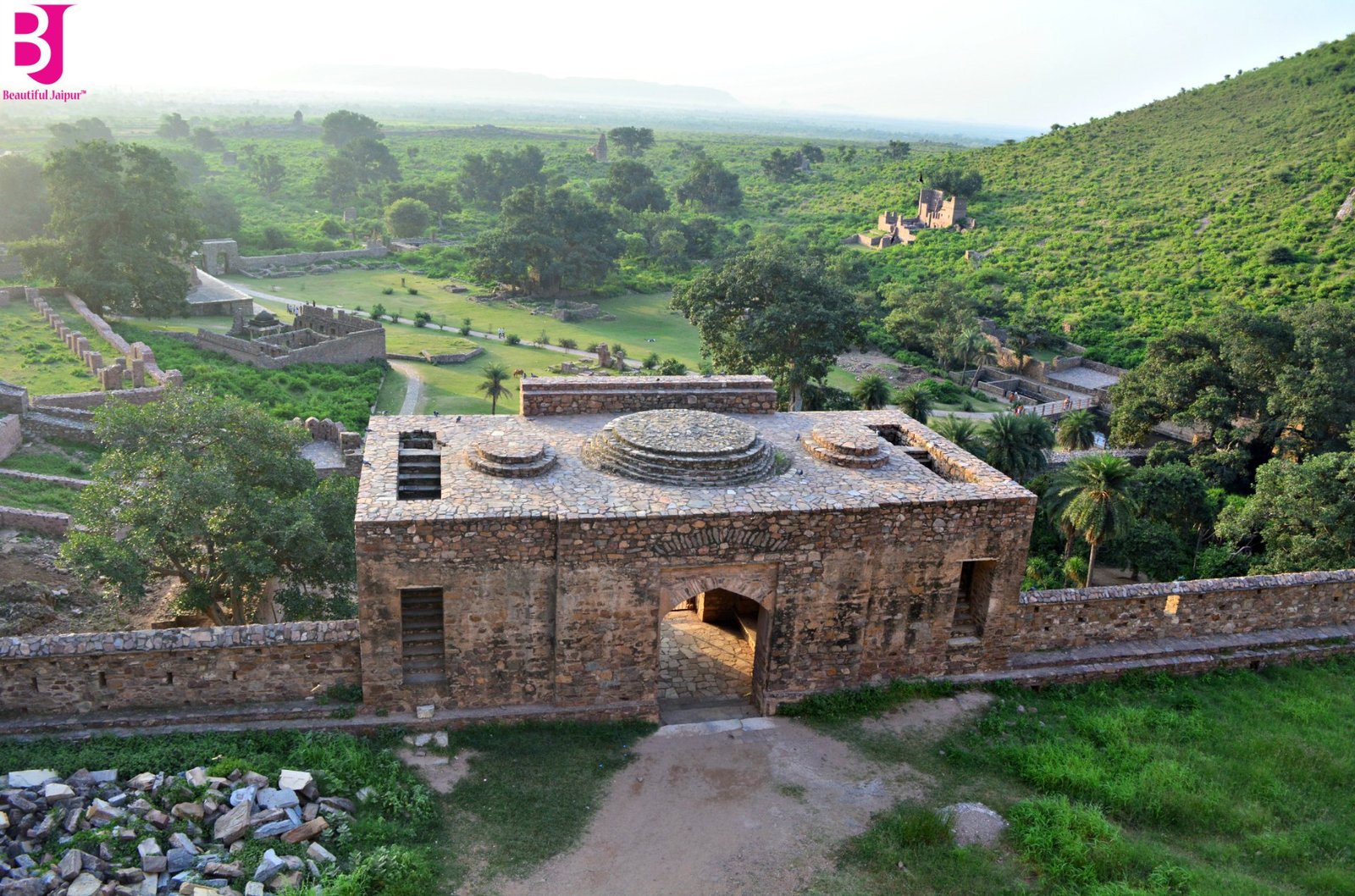
The palace sits higher on the slope and requires a gradual climb. From here, the fort’s layout, surrounding greenery and Aravalli hills come together in one wide view.
4. Havelis and ruined arcades
Several long walls, arched chambers and residential remains stand between the bazaar and palace. They are especially striking when the morning or late-afternoon light creates depth across the stonework.
How to reach Bhangarh Fort from Jaipur
The most convenient option is a private car or taxi. The journey usually takes about 2 to 2.5 hours depending on your starting point, traffic and road conditions. A commonly used route runs from Jaipur towards Dausa and onward to Bhangarh; navigation apps may suggest alternatives based on current traffic.
- By car or taxi: Best for a comfortable same-day return and for stopping along the way.
- By train: Dausa is among the useful railheads, but you will still need road transport for the final stretch.
- By bus: Public transport can involve changes and limited last-mile options, so confirm return timings locally.
Mobile connectivity and facilities become less predictable near the final stretch. Download the route beforehand, carry water and refuel before leaving the main highway.
Best time to visit
October to March offers the most comfortable weather for walking through the large open complex. During the monsoon, the hills and grounds become greener and look beautiful in photographs, but slippery stone and sudden rain can make exploring difficult. Summer afternoons are harsh, with limited shade across several sections.
For photography, reach in the morning. The light is softer, the site is quieter and you have enough time to explore without worrying about the closing hour.
Practical tips before you go
- Wear shoes with a good grip; the palace climb and broken pathways are uneven.
- Carry drinking water, sun protection and basic snacks, but do not leave litter.
- Do not climb unstable walls or enter cordoned-off sections for photographs.
- Avoid feeding or disturbing monkeys and other animals.
- Leave the complex comfortably before sunset and follow every instruction displayed by site authorities.
- Allow extra driving time if you are returning to Jaipur the same evening.
Is Bhangarh worth visiting from Jaipur?
Yes—especially if you treat it as a heritage road trip rather than only a haunted-place challenge. The abandoned town plan, surviving temples, rugged palace ruins and natural setting offer much more than the stories attached to the fort. It is one of the more memorable day trips near Jaipur, and the experience feels very different from the city’s polished palaces and busy monuments.
Frequently asked questions
How far is Bhangarh Fort from Jaipur?
Bhangarh is approximately 85–90 km from Jaipur. Driving time is generally around 2 to 2.5 hours each way.
Can visitors enter Bhangarh Fort at night?
No. Entry before sunrise and after sunset is prohibited. Visitors should leave before the site closes.
How much time is enough for Bhangarh Fort?
Keep at least 1.5 to 2 hours for the fort itself, plus travel time from Jaipur.
Can Bhangarh and Abhaneri be covered together?
They can be combined in a long road-trip itinerary if you start early and arrange private transport. Check the route and closing times before leaving Jaipur.
Is Bhangarh suitable for children and senior citizens?
The entrance and lower ruins are manageable, but the palace section involves uneven paths and climbing. Families should explore at a comfortable pace and avoid unstable areas. For more ideas beyond the city, browse our places near Jaipur, or use this one-day Jaipur itinerary for your city sightseeing day.